Friday, November 12, 2010

Chapter 7- Principles


Symmetry

Symmetry means that something is the same on both sides.

The image above shows how a framed mirror can be symmetrical.

Image From:
http://www.homebysunset.com/home_by_sunset/2007/09/sunburst-mirror.html

Chapter 7- Principles


Axis

An axis is a straight line that goes through something to show a specific quality.

The images above show how a line of axis can show symmetry.

Image From:
http://home.earthlink.net/~jdc24/motif.htm

Wednesday, October 27, 2010

Chapter 6- Proportion and Scale


Scale

Scale is a fixed proportion.

The image above shows how scale can dramatically effect the look of a room.

Image From:

Chapter 6- Proportion and Scale


Anthropomorphic

Anthropometry refers to the size and proportions of the human body.

The images above show how the human body is measured to create comfortable seating.

Image From:
http://mreed.umtri.umich.edu/mreed/research_anthro.html

Chapter 6- Proportion and Scale


The "Ken"

The "ken" is the Japanese unit of measurement based on the size of a floor mat.

The image above shows how panels in the house are measured using a "ken."

Image From:
http://www.xaraxone.com/FeaturedArt/oct04/html/01.htm

Chapter 6- Proportion and Scale


The Modular

Modular is a proportioning system developed by LeCorbusier. It is based in ergonomics and the human body.

The Image above shows how modular is used to measure the human body to create a more comfortable design.

Image From:
http://eshop.macsales.com/item/Rain%20Design/10032/

Chapter 6- Proportion and Scale


Renaissance Theories

The theories of the Renaissance architects was simular to that of the Greeks and Romans. They all believed that their architectural proportion had to follow a numeric formula.

One such architect was Andrea Palladio. The images above show how his architecture consisted of five parts.

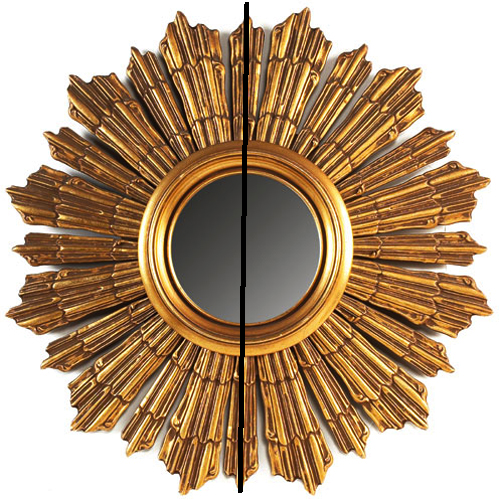
Image From:
http://www.palladiomoderno.com/andrea-palladio-en/le_opere.asp